DOT Annual Inspection Checklist
Appendix A as a printable walk-around worksheet.
OpenUpdated 8 min read
Part of Inspections, Safety & Cost
Every commercial motor vehicle must pass an inspection covering at least the 13 appendix A component groups at least once in the preceding 12 months, with the documentation carried on the vehicle. Each unit of a combination counts separately.
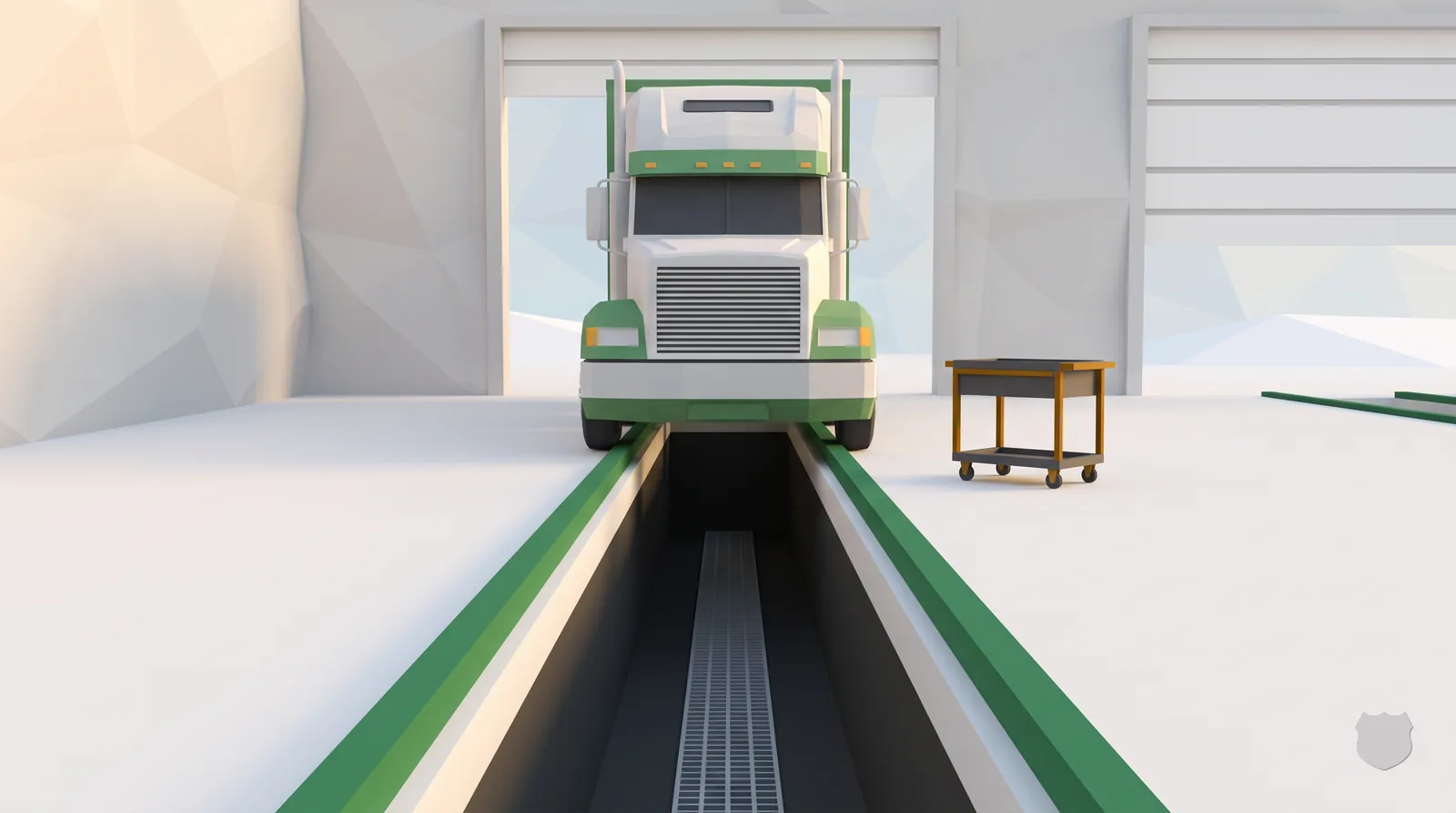
Not any mechanic. Under §396.19 the inspector must understand the part 393 and appendix A standards, be able to identify defective components, and qualify by training or experience: a federal- or state-sponsored training programme, a state or Canadian provincial certificate, or at least a year of training and experience combined — as a mechanic or inspector in a carrier's maintenance programme, at a commercial garage or fleet leasing company, on a manufacturer's training course, or as a government vehicle inspector. The carrier keeps evidence of that qualification for as long as the inspector works for it, plus a year.
A brake inspector has a separate, stricter qualification. If the same person is doing the brakes on the periodic inspection, they need both.
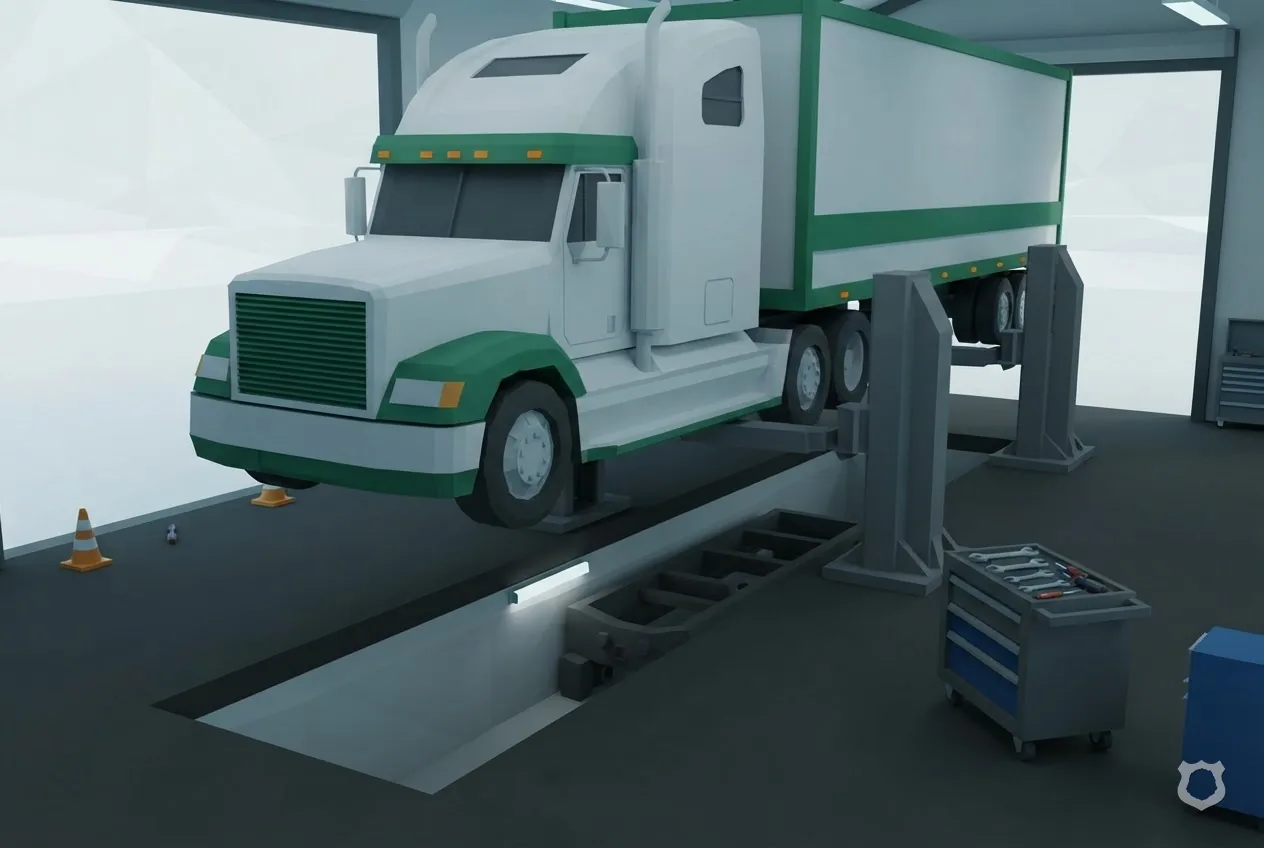
The report identifies the inspector, the carrier, the date and the vehicle, lists every component inspected with the result — including any component that did not meet the appendix A standard — and certifies that the inspection was accurate and complete. A report that ticks a summary line and names no components is not the document the regulation asks for, and it is one of the easier findings for an investigator to write.
The truck carries either the report itself or a sticker or decal derived from it, showing the inspection date, the carrier's name and address, and where the report is held. The carrier keeps the original or a copy for fourteen months where the vehicle is housed or maintained.
Fourteen, not twelve — the extra two months exist so the previous inspection is still on file when the next one is done. Purging at twelve leaves a gap on exactly the day an investigator asks.
A carrier may perform its own periodic inspections, and many do. The requirement is the qualification, not a third party. What in-house inspection does not buy you is independence, so keep the paperwork immaculate: the qualification evidence, the report naming every component, and the fourteen-month file.
A state periodic inspection only counts if the state programme meets the appendix A minimum, so if you run interstate and are unsure about your state's, keep a federal-format report as well.
None of the three is a roadside inspection. What an officer checks at the roadside, and how a result there feeds your safety record, is in the roadside inspection levels and CSA scores explained.
Appendix A as a printable walk-around worksheet.
OpenWhere the inspection sits in the wider record set.
OpenWhat an officer checks against instead.
Where a maintenance violation lands afterwards.