CDL Class Finder
Put in the ratings and get the class, with the reason.
OpenUpdated 10 min read
Part of Driver Files & Medical
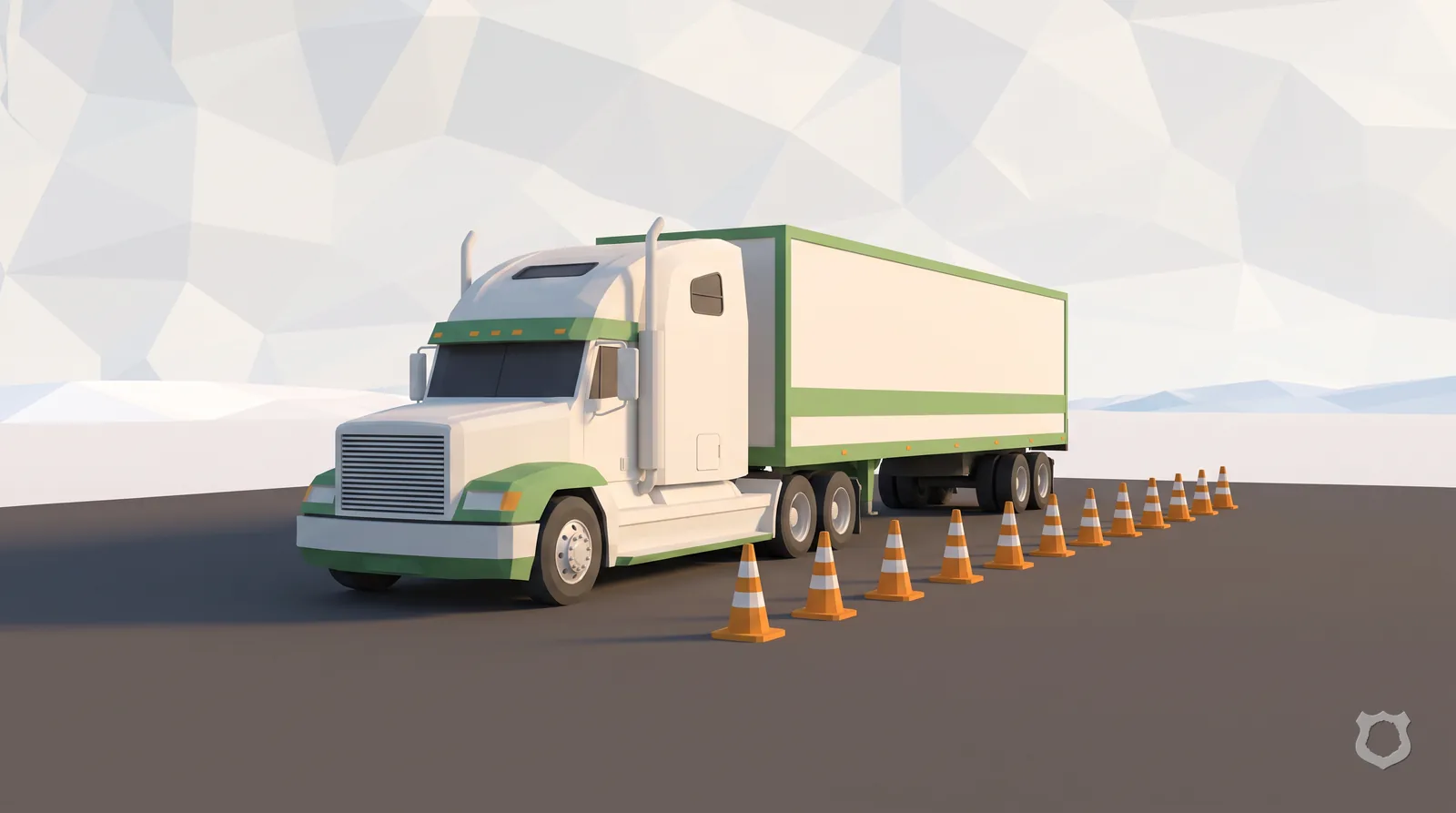
Three vehicle groups, defined by weight rating rather than by what the truck looks like. Class A is a combination over 26,001 lb GCWR towing more than 10,000 lb; Class B is a single heavy vehicle; Class C is everything else that carries 16+ passengers or placarded hazmat.
| Class | What it covers | The threshold | Section |
|---|---|---|---|
| A | Combination vehicle | GCWR 26,001+ lb, towing over 10,000 lb | §383.91(a)(1) |
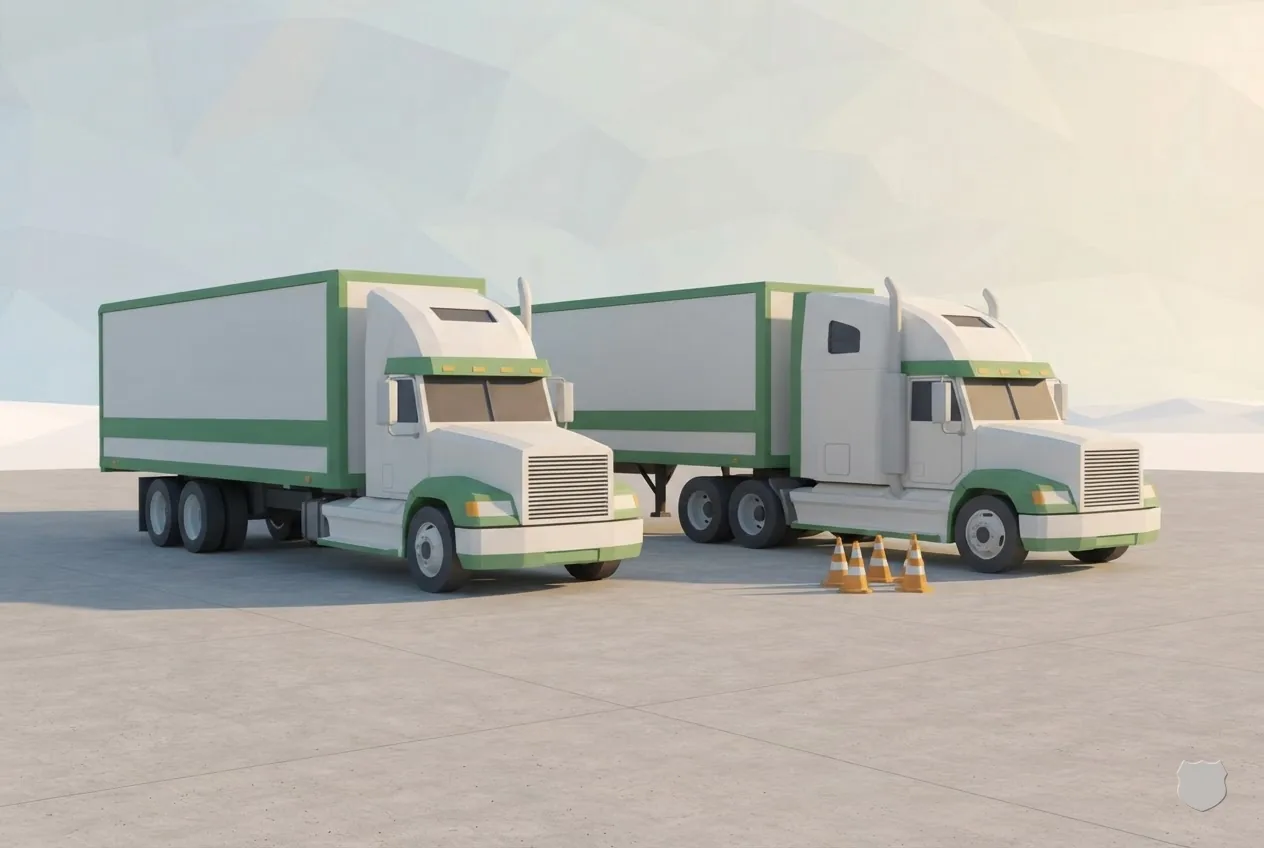
| B | Heavy straight vehicle | GVWR 26,001+ lb, towing up to 10,000 lb | §383.91(a)(2) |
| C | Small vehicle | 16+ passengers including the driver, or placarded hazmat | §383.91(a)(3) |
To run a specific truck and trailer through those thresholds, use the CDL class finder; to weigh the two heavy licences against each other for the work you want, read Class A vs Class B.
Class A licenses down: an A holder may drive B and C vehicles, subject to holding the right endorsements. The reverse is not true, and the common mistake is a B holder hooking a heavy trailer "just this once" — the rating on the trailer plate decides the class, whatever the load weighs on the day.
Endorsements add authority; restrictions remove it. The endorsements are H for hazardous materials, N for tank vehicles, X for the two combined, P for passengers, S for school buses and T for double and triple trailers. H and X require a federal security threat assessment, which takes weeks and is the single longest lead time in the whole licensing process.
Restrictions arrive quietly. Take the skills test in a truck with an automatic and you hold an E restriction: no manual transmission. Test without air brakes and you hold L. Test a Class A combination joined by a pintle hook rather than a fifth wheel and you hold O: no fifth-wheel tractor-trailer. Each of them is removable, and each requires re-testing in a vehicle without the limitation.
The training requirement is federal and the registry is federal, but the testing is the state's. A training certificate from an unregistered school is worth nothing at the counter, so check the registry before you pay tuition.
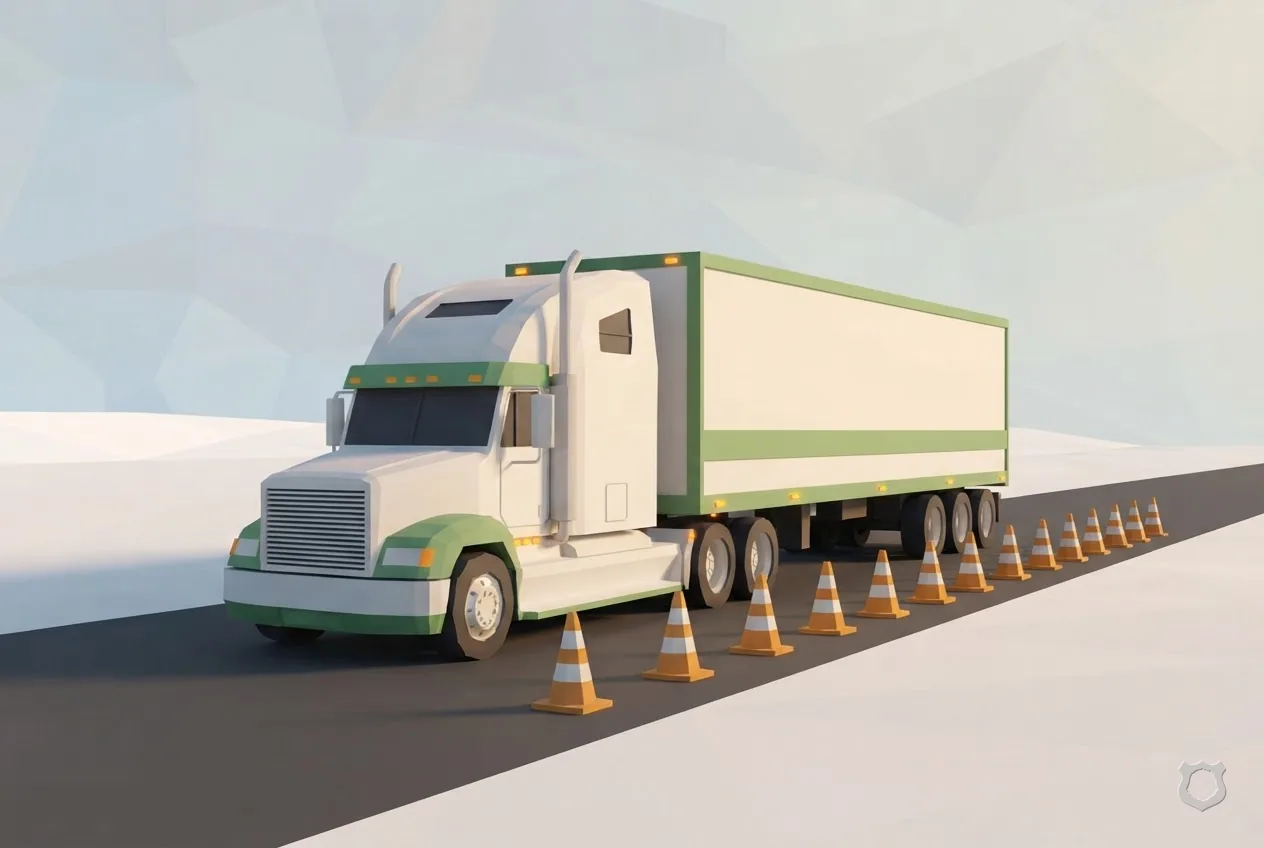
Part 383 is a floor. States must meet it and may go beyond it, and they do — on minimum age for intrastate work, on the road test route and scoring, on how long a permit lasts, on the fee, and on how fast the medical certification reaches the record. Two neighbouring states can differ by weeks in total elapsed time for exactly the same driver.
Interstate driving is federally 21 and over. Several states license at 18 for intrastate work only, and a driver who takes an interstate load on an intrastate licence has a violation that the carrier shares. Check the state's own commercial licensing page for the current fee and route detail — those are the two things that move most often.
Put in the ratings and get the class, with the reason.
OpenThe certificate that keeps the licence valid.
The exam behind the certificate.
What the carrier keeps once you are hired.
The query a carrier runs before you drive.
Which licence fits the work, and what the upgrade later costs.